لغة
لغة
جوي جلو فودتأسست الشركة في الأصل عام 2003، وهي متخصصة في إنتاج وتوزيع الجيلي والمشروبات. وبفضل عقود من الخبرة العميقة في هذا المجال، تطورنا لنصبح شركة رائدة في مجال التصنيع.أكثر من 20 عامًاخبرة صناعية لتقديم حلول متسقة وعالية الجودة لسلسلة التوريد.
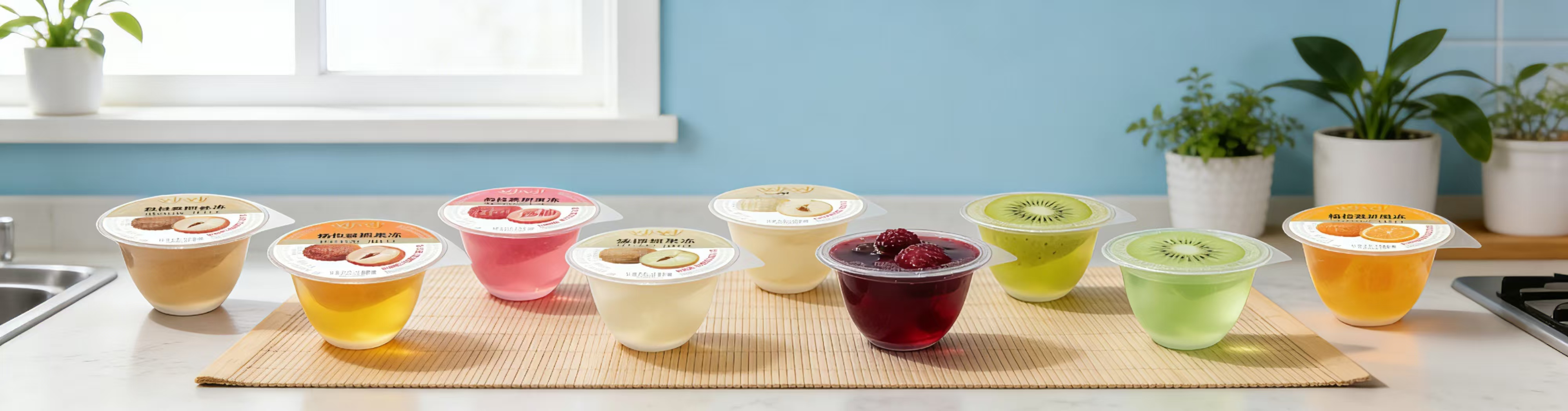

جوي جلو فودتأسست الشركة في الأصل عام 2003، وهي متخصصة في إنتاج وتوزيع الجيلي والمشروبات. وبفضل عقود من الخبرة العميقة في هذا المجال، تطورنا لنصبح شركة رائدة في مجال التصنيع.أكثر من 20 عامًاخبرة صناعية لتقديم حلول متسقة وعالية الجودة لسلسلة التوريد.
أصبح جيلي الكونجاك من أكثر الوجبات الخفيفة الصحية شيوعًا في السنوات الأخيرة. فمن عشاق اللياقة البدنية إلى الآباء الذين يبحثون عن خيارات أفضل لأطفالهم، ينجذب إليه الكثيرون بفضل سمعته كوجبة خفيفة "منخفضة السعرات الحرارية" أو حتى "خالية من السعرات الحرارية". ولكن هل جيلي الكونجاك خالٍ من السعرات الحرارية حقًا؟ دعونا نلقي نظرة فاحصة على الحقائق.
جيلي الكونجاك يُصنع جيلي الكونجاك من مسحوق الكونجاك، المستخرج من جذور نبات الكونجاك. المكون الرئيسي للكونجاك هو الجلوكومانان، وهو ألياف غذائية طبيعية قابلة للذوبان في الماء، معروفة بقدرتها على امتصاص الماء ومنح قوام لذيذ مع سعرات حرارية قليلة جدًا. غالبًا ما يُخلط جيلي الكونجاك مع عصير الفاكهة لتعزيز النكهة وتقديم وجبة خفيفة لذيذة وسهلة التحضير. كما تتميز العديد من أنواع جيلي الكونجاك السائلة الحديثة بتغليفها في أكياس قابلة للعصر، مما يجعلها مثالية للاستهلاك أثناء التنقل.
الجواب المختصر هو: ليس دائماً.
تحتوي ألياف الكونجاك النقية على سعرات حرارية قليلة جدًا لأنها تتكون في معظمها من ألياف غذائية. ومع ذلك، تحتوي معظم منتجات جيلي الكونجاك التجارية على مكونات إضافية مثل:
تساهم هذه المكونات ببعض السعرات الحرارية في المنتج النهائي. ونتيجة لذلك، فإن معظم أنواع جيلي الكونجاك منخفض السعرات الحرارية بدلاً من خالٍ تماماً من السعرات الحرارية.
قد تحتوي بعض الأنواع الخالية من السكر على مستويات منخفضة للغاية من السعرات الحرارية، ويمكن تسويقها على أنها "شبه خالية من السعرات الحرارية" وفقًا للوائح الغذائية المحلية. مع ذلك، ينبغي على المستهلكين دائمًا التحقق من المعلومات الغذائية المدونة على العبوة بدلًا من الاعتماد فقط على المعلومات الموجودة على واجهة العبوة.
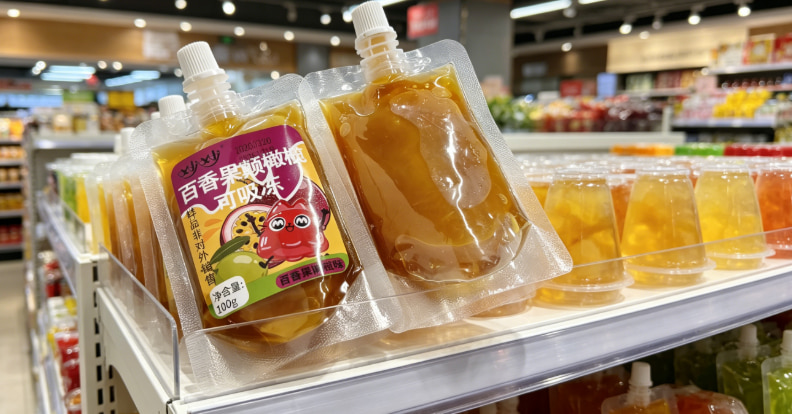
بالمقارنة مع الحلويات التقليدية أو الكعك أو الوجبات الخفيفة السكرية، فإن جيلي الكونجاك يحتوي عمومًا على سعرات حرارية أقل بكثير مع توفير ملمس لطيف وتجربة تناول طعام مرضية.
تساعد ألياف الجلوكومانان على خلق شعور بالشبع، مما يجعل جيلي الكونجاك خيارًا شائعًا بين المستهلكين الذين يبحثون عن وجبات خفيفة يتم التحكم في حجمها.
تُعبأ منتجات جيلي الكونجاك الحديثة القابلة للشرب عادةً في أكياس سهلة الضغط، مما يسهل حملها وتخزينها وتناولها في أي وقت. وقد ساهمت هذه الميزة في زيادة شعبية جيلي الكونجاك في جميع أنحاء العالم.
تجمع العديد من المنتجات الفاخرة بين الكونجاك وعصير الفاكهة الطبيعي، مما يوفر نكهات فاكهة منعشة مع الحفاظ على قيمة غذائية صحية. جوي جلو للأغذية على سبيل المثال، يستخدم جيلي الكونجاك القابل للشرب عصير فواكه نقي بدون إضافة ماء وهو مصمم لتقديم طعم فواكه أكثر أصالة.
ليست جميع أنواع جيلي الكونجاك متساوية في الجودة. عند اختيار منتج لخط إنتاجك التجاري أو للاستهلاك الشخصي، ضع في اعتبارك العوامل الرئيسية التالية:
محتوى العصير: غالباً ما يوفر المحتوى العالي من عصير الفاكهة تجربة نكهة فاكهة طبيعية أكثر بدلاً من الاعتماد بشكل كبير على النكهات الاصطناعية.
سكر مضاف: اختر المنتجات ذات نسبة السكر المنخفضة أو التركيبات المحلاة بشكل طبيعي (مثل الإريثريتول أو ستيفيا) إذا كنت تراقب كمية السكر التي تتناولها يومياً.
مكونات نظيفة: يتزايد إقبال المستهلكين حول العالم على المنتجات المصنوعة من مكونات طبيعية وبكميات أقل من الإضافات الاصطناعية. وتشير اتجاهات السوق إلى وجود طلب قوي ومستمر على الوجبات الخفيفة والمشروبات ذات المكونات الطبيعية في الأسواق الغربية.
الشهادات: في مجال التوريد بالجملة بين الشركات، تُعدّ شهادات سلامة الغذاء الدولية مثل HACCP وHALAL وتسجيل إدارة الغذاء والدواء الأمريكية وFSSC22000 ضرورية. فهي تدل على سلامة غذائية عالية وأنظمة إدارة جودة صارمة. جيلي الكونجاك القابل للشرب من جوي جلو على سبيل المثال، يتم إنتاج المنتجات بالكامل وفقًا لهذه المعايير المعترف بها دوليًا.
تشهد تفضيلات المستهلكين المعاصرين تحولاً جذرياً نحو عادات تناول الوجبات الخفيفة الصحية، وتحديداً تفضيل ما يلي:
تشير أبحاث السوق العالمية إلى استمرار النمو القوي في سوق الجيلي الصحي، مدفوعًا بشكل كبير بالطلب على المنتجات ذات المكونات الطبيعية والطبيعية. ويتماشى جيلي الكونجاك تمامًا مع هذه التحولات السوقية من خلال الجمع الناجح بين سهولة الاستخدام، والقيمة الغذائية النباتية، والابتكار في الملمس.
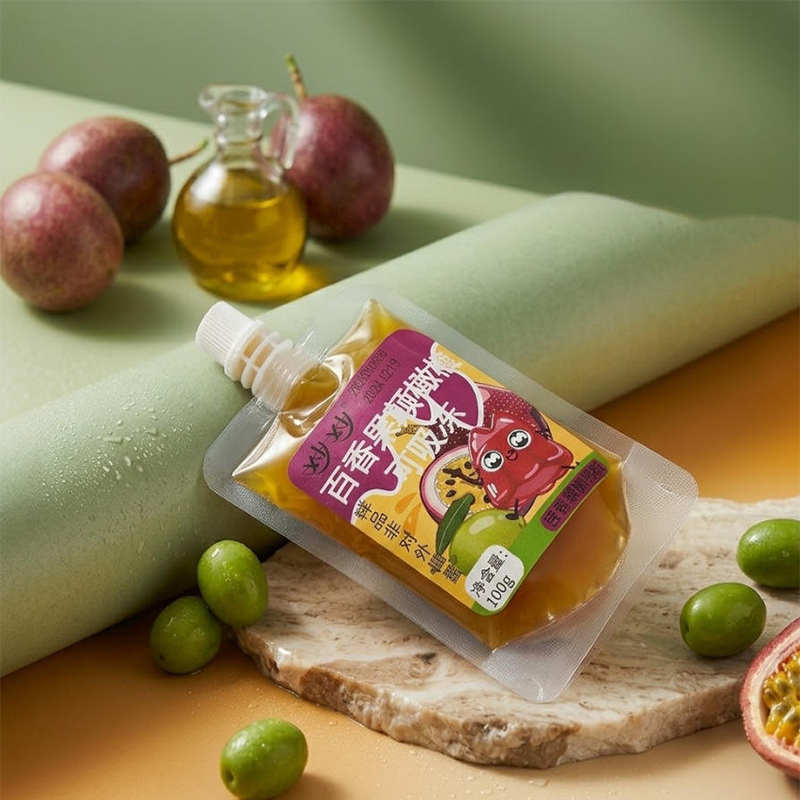
هل جيلي الكونجاك خالٍ من السعرات الحرارية فعلاً؟ ليس بالضرورة. فبينما يحتوي الكونجاك نفسه على سعرات حرارية قليلة جداً، فإن معظم أنواع جيلي الكونجاك التجارية بنكهة الفاكهة تحتوي على سعرات حرارية ضئيلة مستمدة من عصير الفاكهة الطبيعي والمحليات الطبيعية. ومع ذلك، بالمقارنة مع الوجبات الخفيفة والكعك والحلويات الجيلاتينية التقليدية الغنية بالسكر، يظل جيلي الكونجاك بديلاً استثنائياً منخفض السعرات الحرارية.
بالنسبة للمستهلكين حول العالم الذين يبحثون عن وجبة خفيفة لذيذة وسهلة الحمل وغنية بنكهة الفاكهة، يُقدّم جيلي الكونجاك القابل للشرب مزيجًا مثاليًا من المذاق الرائع والراحة والقيمة الغذائية العالية. ومع استمرار الشركات المصنّعة في ابتكار تركيبات تحتوي على نسبة أعلى من العصير وأخرى أنقى، من المتوقع أن يبقى جيلي الكونجاك أحد أسرع فئات الوجبات الخفيفة الوظيفية نموًا في السوق العالمية.
ترك رسالة
امسح ضوئيًا إلى واتساب :