لغة
لغة
جوي جلو فودتأسست الشركة في الأصل عام 2003، وهي متخصصة في إنتاج وتوزيع الجيلي والمشروبات. وبفضل عقود من الخبرة العميقة في هذا المجال، تطورنا لنصبح شركة رائدة في مجال التصنيع.أكثر من 20 عامًاخبرة صناعية لتقديم حلول متسقة وعالية الجودة لسلسلة التوريد.
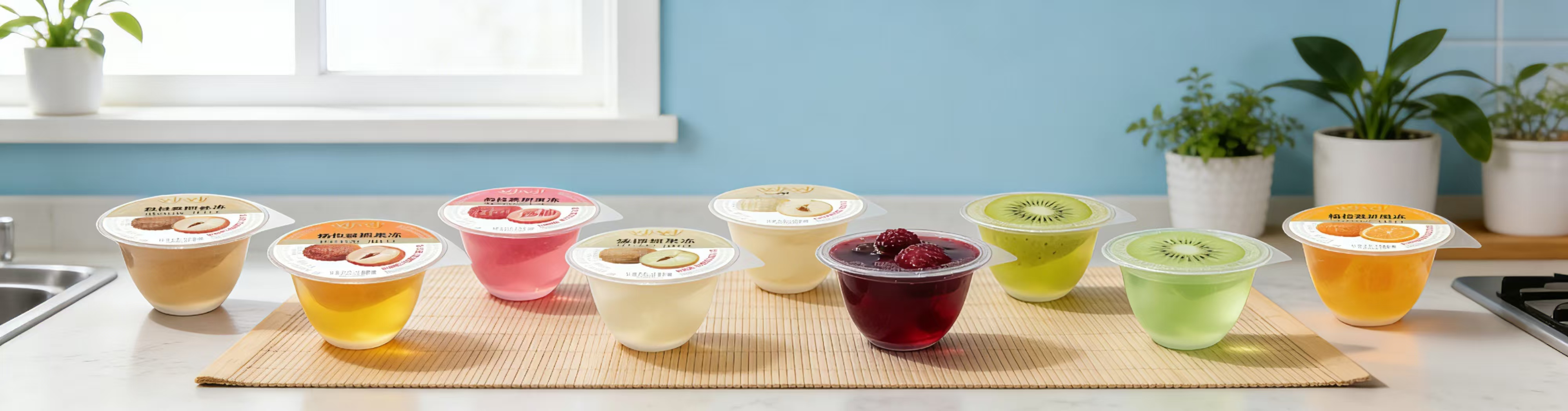

جوي جلو فودتأسست الشركة في الأصل عام 2003، وهي متخصصة في إنتاج وتوزيع الجيلي والمشروبات. وبفضل عقود من الخبرة العميقة في هذا المجال، تطورنا لنصبح شركة رائدة في مجال التصنيع.أكثر من 20 عامًاخبرة صناعية لتقديم حلول متسقة وعالية الجودة لسلسلة التوريد.
يُعدّ الغلوكومانان من أهم الألياف الغذائية الطبيعية في صناعة الأغذية الوظيفية العالمية. فهو المكوّن النشط الرئيسي في منتجات الكونجاك، مثل جيلي الكونجاك، ونودلز الكونجاك، والوجبات الخفيفة منخفضة السعرات الحرارية. ولكن ما هو الغلوكومانان تحديدًا، ولماذا يحظى بهذا الاهتمام الكبير في علوم الأغذية وأسواق الوجبات الخفيفة العالمية؟
الغلوكومانان هو ألياف غذائية متعددة السكريات قابلة للذوبان في الماء مستخلص من جذر نبات الكونجاك (أمورفوفالوس كونجاك).
البنية العلمية:
بعبارات بسيطة: إنها ألياف نباتية يمكنها تحويل الماء إلى هلام سميك ومرن - وهذا هو السبب في أن هلام الكونجاك له قوامه الفريد.
الخاصية العلمية الرئيسية للجلوكومانان هي لزوجة عالية وقدرة على الانتفاخعندما يلامس الماء:
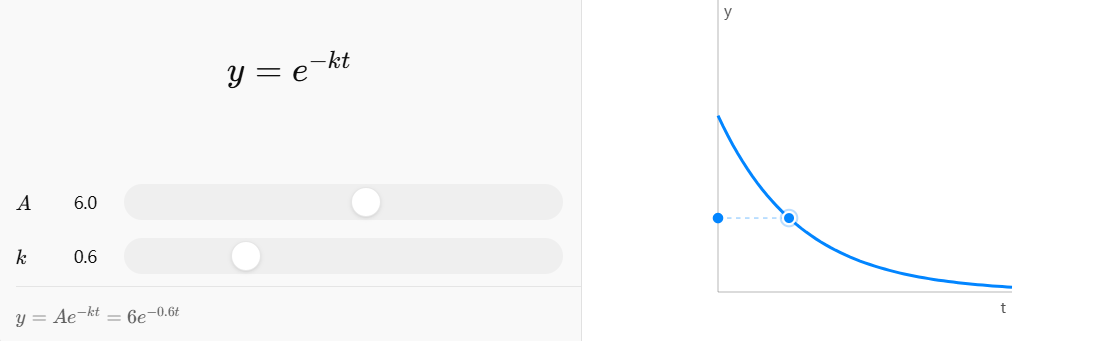
يُفسر هذا السلوك الفيزيائي سبب استخدام الغلوكومانان على نطاق واسع في الأطعمة منخفضة السعرات الحرارية، ومكملات الألياف الغذائية، ومنتجات إدارة الوزن. وتشير الدراسات الغذائية الحديثة إلى أن الغلوكومانان قد يدعم أيضًا ما يلي:
لم يعد الغلوكومانان مكونًا متخصصًا، بل أصبح محركًا عالميًا للأغذية الوظيفية.
معلومات عن حجم السوق:
التوزيع الإقليمي والعوامل المحركة له:
في تطبيقات الأغذية الحديثة، يُعد الغلوكومانان عنصر هيكلي رئيسي في منتجات جيلي الكونجاكفهو يتيح قوامًا هلاميًا مطاطيًا، وتركيبة منخفضة السعرات الحرارية، وقدرة على تقليل السكر، ونظام تعليق مستقر لعصير الفاكهة.
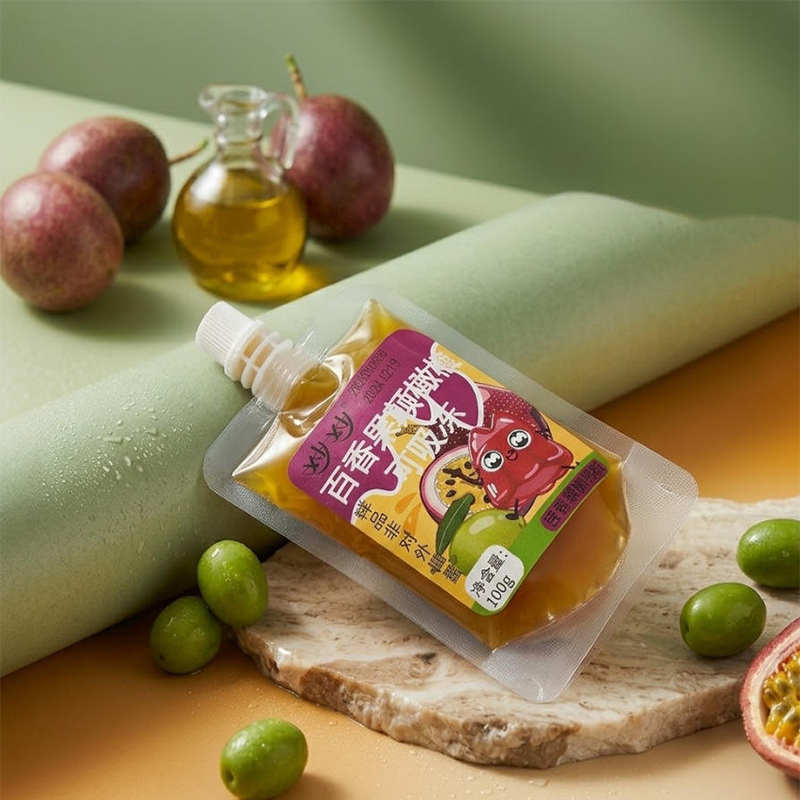
في جوي جلو فوديتم دمج الغلوكومانان مع عصير فواكه طبيعيولب الفاكهة، والتغليف المبتكر في أكياس. وهذا ما ينتج عنه منتجات مثل جيلي الكونجاك القابل للشرب، جيلي الفاكهة الكاملةووجبات خفيفة من جيلي عصير الفاكهة مصممة لأسواق التجزئة العالمية.
| فئة | سعرات حرارية | الفيبر | سكر | الشبع |
|---|---|---|---|---|
| جيلي الكونجاك | قليل | عالي | قليل | عالي |
| حلوى | عالي | قليل | عالي | قليل |
| الشوكولاتة | عالي | قليل | عالي | واسطة |
خاتمة: تقدم الوجبات الخفيفة المصنوعة من الكونجاك بديلاً منخفض السعرات الحرارية وغني بالألياف للحلويات التقليدية.
تسلط الأبحاث السريرية الحديثة الضوء على العديد من التأثيرات الرئيسية للجلوكومانان:
✔ دعم الشبع: يتمدد في المعدة ← يقلل الشهية.
✔ وظيفة الجهاز الهضمي: يعمل كألياف قابلة للذوبان ← يدعم صحة الأمعاء.
✔ دعم التمثيل الغذائي: يرتبط بتحسين تنظيم الدهون والجلوكوز.
✔ مكونات ذات ملصق نظيف: مشتق من النباتات، معالجة بأقل قدر ممكن.
⚠️ ملاحظة هامة: يجب تناول الجلوكومانان مع كمية كافية من الماء لتجنب اضطرابات الجهاز الهضمي.
تتجه تفضيلات المستهلكين عالميًا نحو الأنظمة الغذائية منخفضة السكر، والأطعمة الغنية بالألياف، والوجبات الخفيفة الوظيفية، والمكونات النباتية، وأشكال التغليف سهلة الحمل. وتنسجم المنتجات المصنوعة من الكونجاك تمامًا مع هذه التوجهات، لا سيما في آسيا (اليابان، الصين، كوريا)، وسوق الوجبات الخفيفة الوظيفية في الشرق الأوسط، وقطاع الأغذية ذات المكونات الطبيعية في أوروبا، وفئة المكملات الغذائية في أمريكا الشمالية.
يُستخدم غلوكومانان على نطاق واسع في أنظمة تكثيف الأغذية، والمواد المساعدة الصيدلانية، ومواد الإطلاق المتحكم به، وهندسة قوام الأغذية النباتية. وهذا ما يجعله مكونًا وظيفيًا متعدد الاستخدامات في العديد من الصناعات، وليس مجرد مادة مضافة غذائية بسيطة.
بصفتها شركة مصنعة متخصصة في منتجات الجيلي والمشروبات، نجحت شركة JoyGlo Food في دمج مادة الجلوكومانان في جيلي الكونجاك القابل للشرب (بصيغة كيس قابل للعصر)، وجيلي الفاكهة الكاملة (مع فاكهة حقيقية بالداخل)، وحلويات جيلي الفاكهة المختلطة، ومنتجات الجيلي المصنعة حسب الطلب/ذات العلامات التجارية الخاصة.
الميزة الأساسية: فاكهة + ألياف + تغليف ممتع = نظام وجبات خفيفة صحية حديثة.
لا يُعدّ الغلوكومانان مجرد ألياف غذائية، بل هو مكون وظيفي علمي يقود مستقبل ابتكار الأغذية الصحية. فمن بنيته الفريدة الماصة للماء إلى قيمته السوقية العالمية المتنامية، يُعيد الغلوكومانان تشكيل نظرة المستهلكين إلى الوجبات الخفيفة والأطعمة الوظيفية.
مع تزايد الطلب على المنتجات قليلة السكر، والغنية بالألياف، وذات المكونات الطبيعية، والنباتية، من المتوقع أن تستمر الابتكارات القائمة على نبات الكونجاك في النمو العالمي القوي خلال العقد القادم.
ترك رسالة
امسح ضوئيًا إلى واتساب :